


Consumer Tech’s New Portable Era
The most interesting thing happening in consumer tech right now is not a single blockbuster phone launch. It is a bigger shift in how gadgets are supposed to behave: they are becoming thinner, smarter, more portable, and far more connected to everyday routines. Foldables are finally moving past novelty status, wearables are doing more than counting steps, portable gaming devices are turning into serious lifestyle hardware, and smart audio, glasses, and home devices are all trying to disappear into the background while doing more work. That is why the latest wave of launches from Samsung, Google, Apple, Sony, Meta, ASUS, Lenovo, and a growing list of startup challengers is pulling so much attention.
What Makes It Interesting
The excitement is not just about specs. It is about design choices that change how people actually use technology. Foldable phones now feel less like fragile experiments and more like premium everyday devices, with stronger hinges, brighter displays, and better multitasking. Portable gaming PCs have become social media favorites because they promise console-style play in a machine you can toss into a backpack. Meanwhile, smartwatches and earbuds are becoming the quiet stars of the ecosystem, handling health data, payments, notifications, and calls without forcing users to pull out a phone every five minutes.
That practical value is exactly why these products are resonating online. Unboxing clips, durability tests, travel setups, and “what’s in my bag” videos are pushing gadgets into the center of culture again. The devices people are talking about most are the ones that solve a real inconvenience: phones that unfold into mini-tablets, earbuds that can translate or isolate noise on a crowded train, glasses that can capture a moment hands-free, or home devices that finally work together without a maze of setup screens. The trend is clear: consumers want fewer devices that do more, not more devices that do less.
Main Developments
On the smartphone side, the market is still split between polished flagships and affordable challengers, but the premium category is getting more adventurous. Samsung and other Android brands continue to refine foldables with slimmer profiles, wider outer screens, and software that makes split-screen multitasking feel genuinely useful. Apple and Google, meanwhile, keep tightening their ecosystem playbooks, using phones as the hub for watches, earbuds, tablets, laptops, and smart-home accessories. The result is a market where hardware is only part of the story; services, continuity, and cross-device convenience matter just as much.
Gaming hardware is also in the middle of a visible reset. Handheld PCs and portable consoles have turned into one of the most viral hardware categories of the year, especially as gamers look for a middle ground between a full desktop and a traditional console. Devices from ASUS, Lenovo, Valve, and others have shown that there is strong demand for high-performance gaming on the move, even if battery life and fan noise still limit the experience. At the same time, cloud gaming continues to expand the idea of where a game can live, letting lighter devices punch above their weight when the network cooperates.
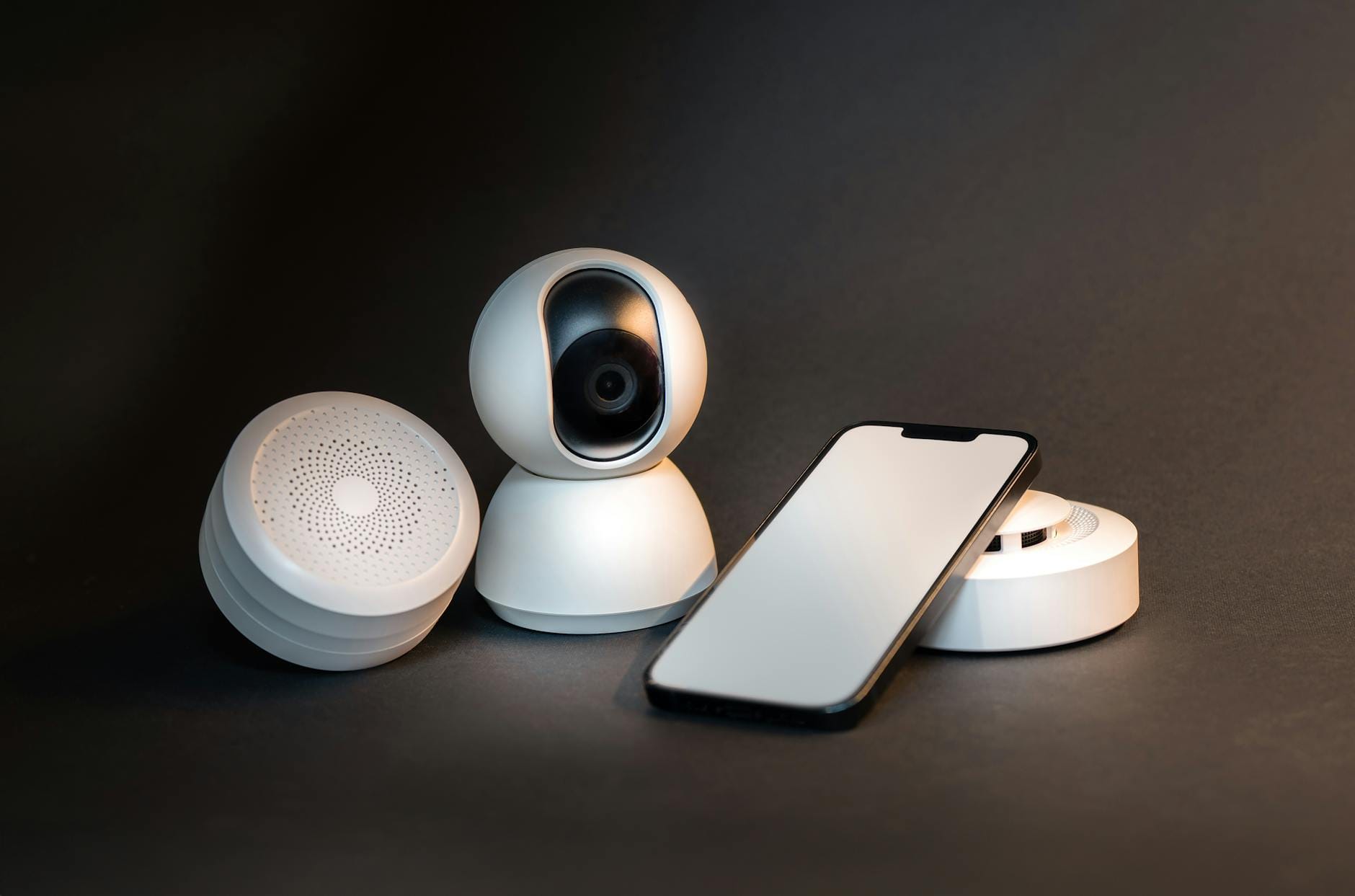
Audio, wearables, and smart home products are moving just as quickly. Wireless earbuds now compete on call quality, adaptive sound, and deeper ecosystem integration rather than simple driver size. Smartwatches are becoming more health-centric with better sleep tracking, workout insights, and emergency features, while also leaning harder into the fashion side of the market. Smart home gear is benefiting from standards like Matter and Thread, which make it easier for bulbs, locks, cameras, speakers, and sensors from different brands to work together. That kind of interoperability may not go viral, but it is exactly what mainstream buyers have been waiting for.
Innovation & Technology Angle
Under the hood, the big story is efficiency. New mobile chipsets are pushing better performance per watt, which matters more than ever in thin phones, lightweight laptops, and gaming handhelds that cannot rely on endless battery capacity. Display innovation is also driving the industry forward, from brighter LTPO OLED panels in phones and watches to flexible screens that make foldables feel closer to polished mainstream hardware. In several Android markets, battery innovation is coming from higher-density cells and more aggressive fast-charging systems, helping devices recover power in minutes instead of hours.
Software is becoming a selling point again, too. Phones are learning to do more on-device, watches are feeding richer health summaries into mobile apps, and creator-focused gear is getting better at one-touch streaming, instant file transfer, and wireless control. AR and mixed reality are still early, but the ecosystem is maturing as headsets get lighter, software libraries improve, and developers focus less on gimmicks and more on practical use cases such as virtual workspaces, media consumption, and immersive training. Even consumer robotics and experimental gadgets are finding traction by leaning into utility instead of science fiction.
Sustainability and repairability are also shaping the conversation. Longer software support windows, easier battery replacement, and stronger resale values are becoming part of the buying equation. For many shoppers, that is a major shift. A premium gadget is no longer judged only by its launch-day wow factor. It is judged by how long it stays fast, how well it integrates with other devices, and whether it still feels useful two or three years later. That mindset is pushing brands to rethink everything from hinge design to packaging.
Why Consumers Should Watch It
For consumers, this wave of innovation means more choice, but also more clarity about what kind of user they are. Power users can chase foldables, gaming handhelds, and flagship wearables with advanced health tools. Creators can build around smartphones with stronger cameras, compact microphones, creator-friendly lighting, and fast wireless workflows. Smart home users can finally assemble systems that are easier to manage across brands. Early adopters get the thrill of the newest form factors, while everyday buyers benefit from trickle-down improvements in battery life, display quality, and reliability.
For gamers, the next 6 to 18 months should be especially interesting as handheld performance improves, cloud gaming matures, and hybrid play becomes a more normal expectation. For mobile users, the pressure will be on software ecosystems to feel smoother and more helpful across phones, tablets, watches, earbuds, and laptops. For the industry, the competitive pressure is only getting stronger: more brands are chasing thinner foldables, better portable gaming hardware, smarter audio, and more convincing AI-assisted features inside real products people can hold. The next wave of launches will likely bring even tougher competition around battery tech, camera systems, and cross-device software, and users should expect the most exciting gadgets to be the ones that feel less like standalone hardware and more like part of a personal tech ecosystem that finally clicks.