


AI Infrastructure Buildout Is Reshaping Cloud, Data Center, and Security Priorities
This week, Nvidia, Microsoft, Amazon, Google, and a broad group of data-center operators from Northern Virginia to Singapore are at the center of a fast-moving race to expand AI infrastructure, as enterprises continue pushing for more GPU capacity, denser networking, and faster delivery of large model workloads. The shift matters because the AI boom is no longer just about model quality; it is changing how companies budget for compute, design data centers, and secure software that is becoming more autonomous.
AI infrastructure is becoming the real battleground
The past two years turned artificial intelligence from an experiment into a production priority, but the current trend is less about model launches and more about the machinery behind them. Cloud buyers now need a mix of training capacity, inference throughput, storage, and orchestration tools that can support everything from customer service copilots to code generation and document processing. That demand is pushing the market toward what many vendors now describe as AI factories: tightly integrated stacks of accelerators, networking, cooling, and software tuned for machine learning at scale.
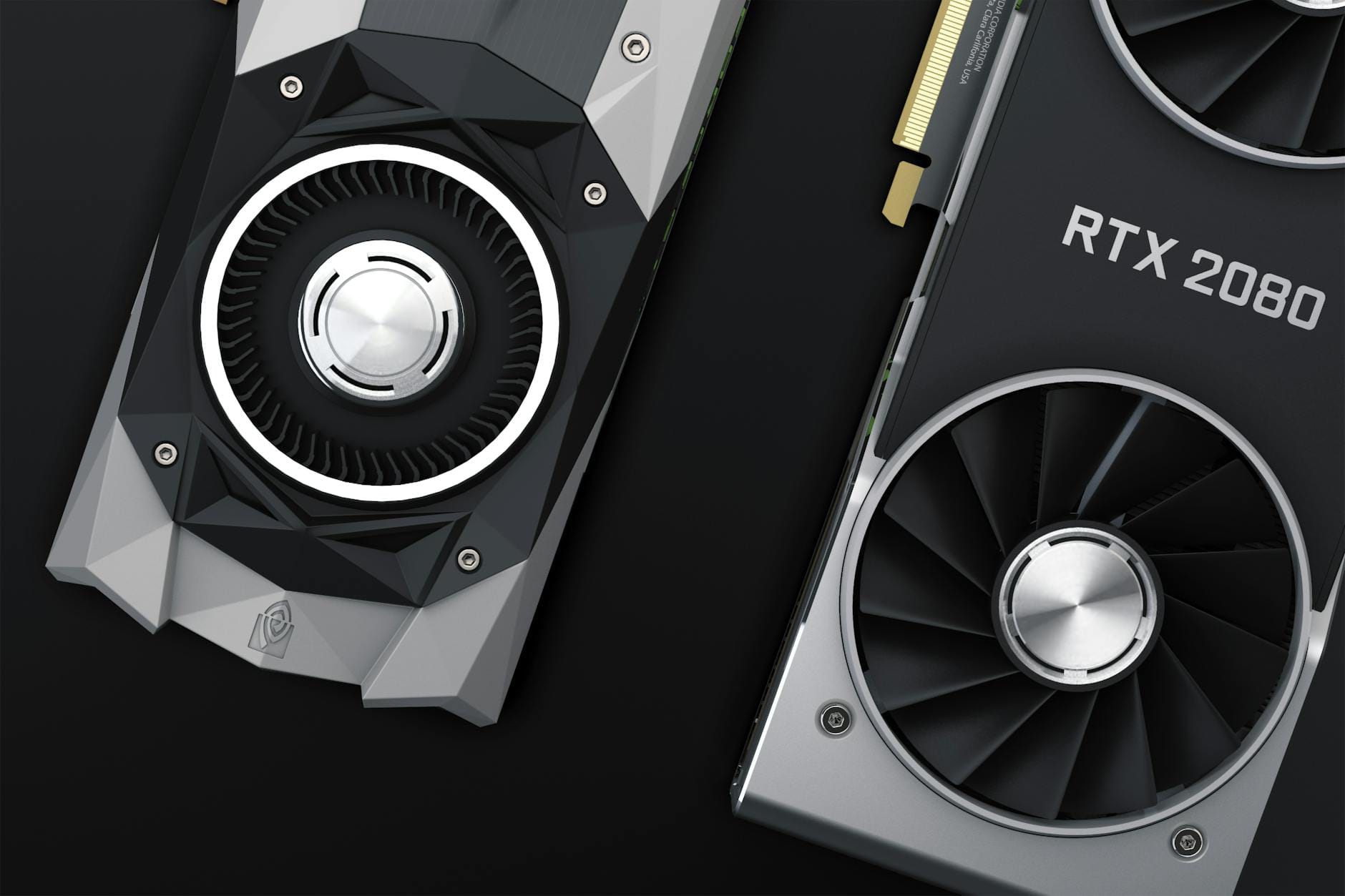
Recent reporting from Reuters, Bloomberg Technology, and infrastructure trade outlets points to the same pressure point: capacity is constrained where enterprises want it most. High-end GPUs remain difficult to source at scale, and the competition is not limited to one vendor. Nvidia still dominates the accelerator conversation, but AMD, custom silicon from hyperscalers, and a growing set of inference-focused chips are all part of the procurement picture. For buyers, the strategic question has shifted from which model to use to where the compute will come from, how quickly it can be deployed, and what it will cost to keep running.
Power, cooling, and networking are now product decisions
What makes this cycle different from earlier cloud expansions is the intensity of the infrastructure requirements. AI servers draw more power, generate more heat, and depend on faster east-west traffic between nodes than typical enterprise workloads. That is why liquid cooling, higher-density racks, and next-generation Ethernet and InfiniBand fabrics have moved from specialist topics to boardroom issues. Data center operators are now making planning decisions around electricity availability, substation capacity, and thermal design, not just floor space.
The networking layer is changing just as quickly. As model training clusters and inference farms scale up, the market is seeing more demand for 400GbE and 800GbE systems, software-defined networking, and packet-optimized architectures that can keep accelerator utilization high. Vendors across the ecosystem, including switching, optics, and cabling suppliers, are being pulled into AI procurement discussions earlier than before. This is also why analysts keep highlighting the buildout of regional cloud regions and edge facilities: enterprises want lower latency and more control, but they also need a topology that can support steady inference without choking the network or overloading the grid.
Security and enterprise operations are being rewritten
Security teams are finding that AI adoption introduces a wider set of risks than a standard application rollout. Large language models and agentic tools can expose sensitive data if access controls are weak, and model supply chains add another layer of concern around dependencies, code provenance, and third-party services. Prompt injection, data leakage, and over-permissioned connectors are now part of the same conversation as identity governance and secrets management. In many enterprises, the security discussion is no longer about whether to adopt AI, but how to do it without creating a new shadow IT problem.
That is also changing day-to-day operations for CIOs, cloud architects, and software developers. Many organizations are favoring smaller specialized models, retrieval-augmented generation, and private inference deployments to balance performance with cost and compliance. Observability tools are being upgraded to track token usage, latency, and model drift. DevOps and platform teams are now responsible for maintaining pipelines that look more like hybrid software and data infrastructure than traditional application stacks. The result is a more complex operating model, but one that gives enterprises better control over spend, data residency, and service reliability.
Market pressure is spreading across vendors, startups, and investors
The vendor landscape is broadening quickly. Hyperscalers are still competing on cloud capacity, but they are also trying to lock in customers with managed AI services, proprietary chips, and long-term infrastructure commitments. Meanwhile, startups are targeting the gaps around optimization, scheduling, model hosting, and inference efficiency. That has made software that squeezes more performance per watt, per rack, or per dollar especially valuable. Investors are watching not just model companies, but also the businesses that make AI deployment cheaper, safer, and easier to operate.
For telecom providers and edge infrastructure operators, the opportunity is more selective but still meaningful. Low-latency inference, industrial automation, and on-device AI are pushing compute closer to users and machines, which could benefit carriers with dense fiber networks and local presence. Data center builders, meanwhile, are under pressure to modernize around modular power, renewable sourcing, and advanced cooling if they want to stay relevant to large enterprise and cloud buyers. The next phase of the market will likely favor providers that can offer predictable capacity rather than just raw scale.
What to watch over the next few months
The most important trend to watch is whether the current GPU shortage evolves into a broader supply chain reset. If accelerator availability improves, some buyers may move faster on production deployments; if not, more enterprises will keep shifting toward smaller models, distributed inference, and hybrid architectures that blend cloud and on-premise resources. Another key factor is power. Utilities, regulators, and data center operators are now part of the AI roadmap, and delays in energy delivery could shape where the next generation of compute clusters is built.
Security will also remain central as more companies deploy AI agents with real workflow permissions. Over the coming months, expect tighter controls around identity, model gateways, and data access, along with more scrutiny of vendors that claim to simplify enterprise AI. The broader market message is clear: the race is no longer only about who has the best model. It is about who can deliver reliable, secure, and scalable infrastructure fast enough to support the next wave of software automation.

