


Amazon Warns New York Shoppers of Potential Delivery Act Costs
Amazon warns New York City shoppers that a proposed delivery law could add up to $5 per order and reshape how packages reach their doors.
Amazon has taken its campaign against New York City’s proposed Delivery Protection Act directly to shoppers, warning in package labels and digital notices that the legislation could add as much as $5 to an order. The move turns a dispute over how delivery workers are employed into a potential cost question for customers—and highlights how much the company’s fast-shipping model depends on its network of outside delivery firms.
The New York City Council proposal would require last-mile delivery companies that operate warehouses in the city to obtain a municipal license and employ their workers directly. That could disrupt Amazon’s current use of third-party delivery businesses, including smaller contractors and independent operators, to move packages from local facilities to customers’ doors.
How the proposal could affect deliveries
Amazon’s message does not mean every order would automatically become more expensive if the act passes. Rather, the company is arguing that complying with the proposed rules could raise its operating costs, which it may then pass on to customers. The exact impact would depend on the final legislation, how the city enforces it, and how Amazon reorganizes its delivery operations.
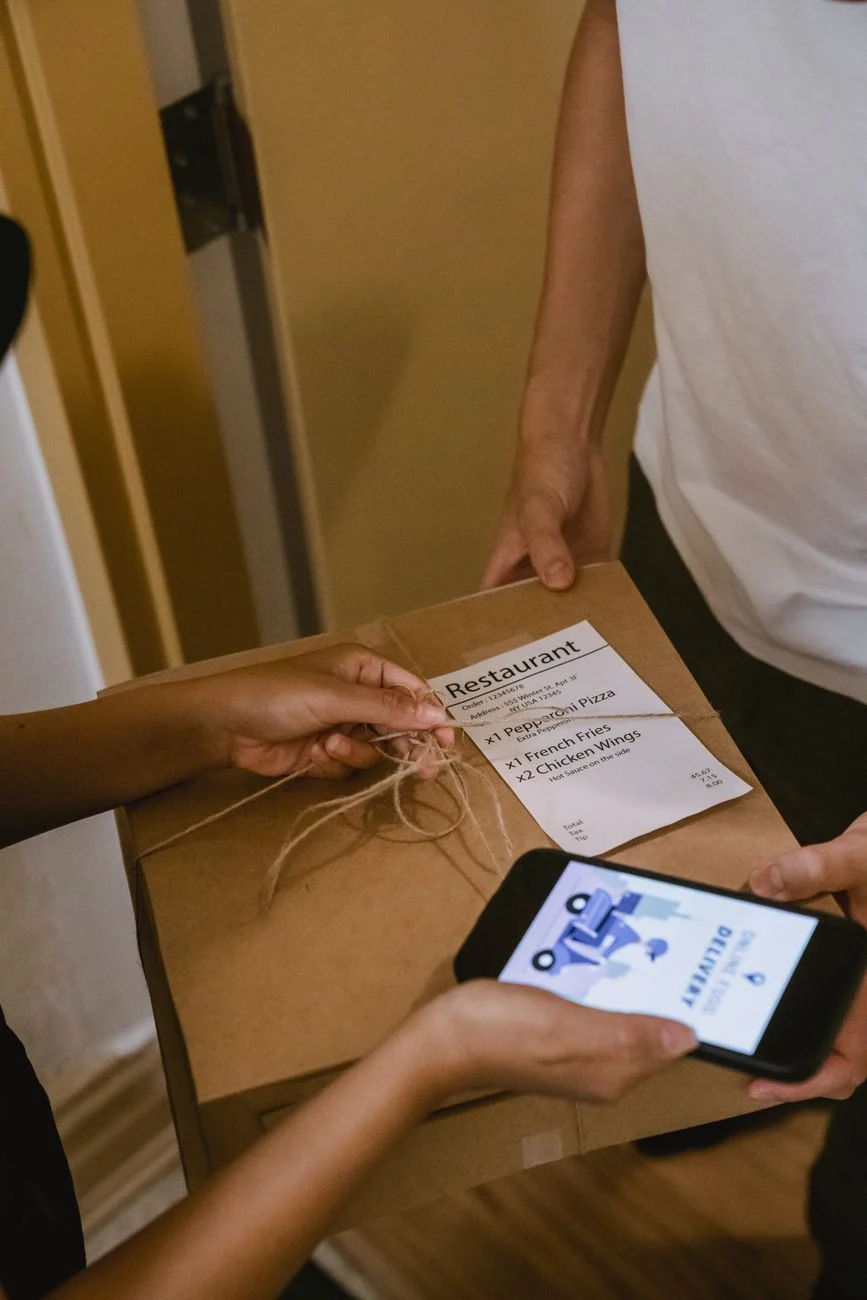
For shoppers, the delivery label is a familiar piece of packaging being used for an unfamiliar purpose: lobbying. Amazon has also displayed warnings through its website and mobile app, giving the company multiple ways to frame the proposal before council members decide its fate.
The stakes for workers and the delivery network
The bill focuses on accountability in a sector where packages may pass through several companies before reaching a doorstep. Requiring covered operators to license their facilities and directly employ workers could make it easier to establish who is responsible for workplace conditions and compliance. It could also raise costs for companies that currently rely on subcontracting arrangements.
Amazon’s delivery system is built for volume and flexibility, especially during busy shopping periods. Smaller delivery partners can help expand capacity without Amazon hiring every driver itself. But that structure can also make responsibility harder to trace. The city’s proposal seeks to change that balance, while Amazon’s warnings emphasize the possible consequences for prices and service.
What customers should—and shouldn’t—take from the warning
A possible increase of up to $5 is a headline-grabbing figure, but it is not a confirmed fee or a forecast for every purchase. The company’s claim is part of an argument against the legislation, and customers should distinguish that projection from a final policy outcome. Any actual change would depend on whether the bill becomes law and on decisions made afterward by the city and delivery companies.
The dispute also raises a practical question for consumers: how much of the convenience of rapid, low-cost delivery depends on arrangements that keep labor and delivery costs outside the retailer’s direct payroll? If the rules change, Amazon could absorb some expenses, adjust its delivery network, alter shipping options, or pass some costs along. The company has not established through its warning alone which response it would choose.
A wider test for e-commerce
New York’s debate reflects a broader tension in online retail. Customers have grown accustomed to fast delivery with little or no visible charge, while cities and workers are pressing for clearer standards and greater accountability in the systems that make it possible. Similar policy debates could influence how retailers structure local logistics in other major markets.
For now, Amazon’s packaging and in-app notices are best understood as a lobbying tactic rather than a change to the checkout experience. The proposed act could affect how delivery work is organized in New York, but its eventual impact on prices, delivery speed, and worker protections remains uncertain. Shoppers have reason to watch the legislation, while treating the company’s stated cost figure as a contested prediction—not a bill already on the way.