


Lossless GPU Networking: RoCEv2 and InfiniBand Design Playbook for Dedicated and Colocation Clusters
Discover how to optimize GPU networking with RoCEv2 and InfiniBand, ensuring lossless performance for your dedicated and colocation clusters.
SEO Title: RoCEv2 vs InfiniBand for GPU Servers | Lossless Network Design Playbook
Meta Description: Learn how to design RDMA-capable GPU networking with RoCEv2 (PFC/ECN) or InfiniBand: topology, configs, validation, and tuning for stable training.
Slug: lossless-gpu-networking-rocev2-infiniband-playbook
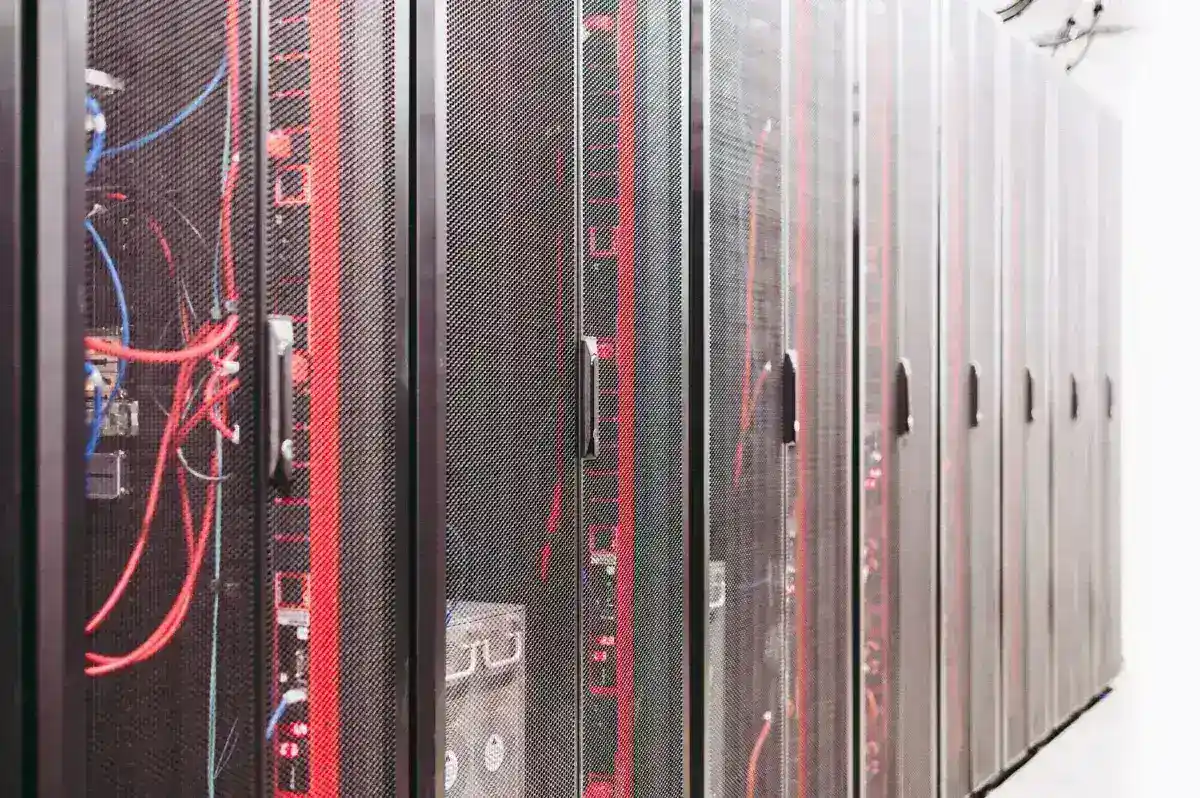
Featured Image Prompt: Photorealistic view of a modern colocation data center aisle with tall server racks hosting GPU systems, visible high-speed RDMA network switches and fiber/copper connectivity, subtle blue indicator LEDs, a network technician in a safety vest tracing labeled cables, shallow depth of field, realistic lighting, 8k detail, no logos or readable brand names.
Featured Image ALT: Technician working with RDMA network switches for a GPU server cluster in a colocation data hall
Open Graph Description: A practical, evergreen guide to building lossless GPU networking for dedicated and colocation clusters—RoCEv2, InfiniBand, RDMA validation, and troubleshooting.
Lossless GPU Networking: RoCEv2 and InfiniBand Design Playbook for Dedicated and Colocation Clusters
Executive Summary
When you scale AI training or high-throughput inference across multiple GPUs, networking often becomes the real limiting factor—not the GPU itself. If your RDMA fabric drops packets or adds avoidable latency, distributed training can stall, NCCL collectives can fall back, and throughput can collapse in ways that are hard to diagnose after the fact.
This guide explains how to design and validate lossless GPU networking using InfiniBand or RoCEv2 (RDMA over Converged Ethernet). You’ll learn how fabric choice interacts with topology, switch configuration (PFC/DCB/ECN), MTU and VLAN strategy, and observability signals from the host and switches.
Key Takeaways
- RDMA performance is fragile to packet loss: RoCEv2 needs lossless Ethernet behavior (commonly PFC/DCB and/or ECN) or performance will degrade.
- InfiniBand is purpose-built for reliable fabrics: it often simplifies the
Frequently Asked Questions
Why does “lossless” matter so much for GPU RDMA networks, even when the TCP/IP link looks healthy?
GPU RDMA workloads (e.g., NCCL collectives) are sensitive to micro-bursts, retries, and added latency. With RoCEv2, even small loss or congestion events can trigger retransmissions and pipeline stalls, reducing effective bandwidth. InfiniBand is designed to minimize these effects via reliable delivery semantics, while RoCEv2 requires lossless Ethernet behavior and careful congestion management.
Do I really need PFC/DCB for RoCEv2, or can ECN alone be enough?
It depends on your fabric and switch behavior. Many designs use PFC/DCB to enforce lossless behavior for the priority traffic class, reducing packet drops that harm RDMA. ECN-based approaches can also work by signaling congestion early and avoiding drops, but they require consistent ECN implementation, correct thresholds, and end-to-end policy. Mixing defaults or mismatched switch profiles can negate the benefit.
How should MTU and VLAN strategy be chosen to avoid mysterious throughput drops in distributed training?
MTU and VLAN choices affect fragmentation, path consistency, and how congestion signaling maps onto traffic classes. If MTU is inconsistent across switches or paths, you can trigger fragmentation that increases overhead and latency for RDMA flows. VLAN segmentation also needs to align with switch QoS/priority and RDMA traffic classification; otherwise, packets may traverse unexpected queues, losing the intended “lossless” treatment.
What validation signals should I check on hosts and switches to prove the fabric is truly behaving losslessly?
Don’t rely on link state alone. On hosts, verify RDMA device health, negotiated settings, and observe that traffic isn’t falling back to less efficient paths. On switches, confirm QoS/DCB configuration for the RDMA priority class, ensure PFC pause frames (or ECN markings) are occurring as expected, and check queue statistics for drops/ECN events. Validation should include performance counters during controlled load, not only idle checks.
In a colocation cluster, what are the most common external factors that break RoCEv2 reliability and how do I mitigate them?
Colocation introduces variability: oversubscription, shared management domains, or “helpful” provider configurations can interfere with QoS assumptions. Common issues include missing or altered DCB/QoS profiles, unexpected MTU changes, or intermediate devices that don’t preserve the intended priority mapping. Mitigate by keeping the RDMA fabric within a clearly controlled switching domain, standardizing profiles across all ports, and performing end-to-end RDMA validation from day one.