


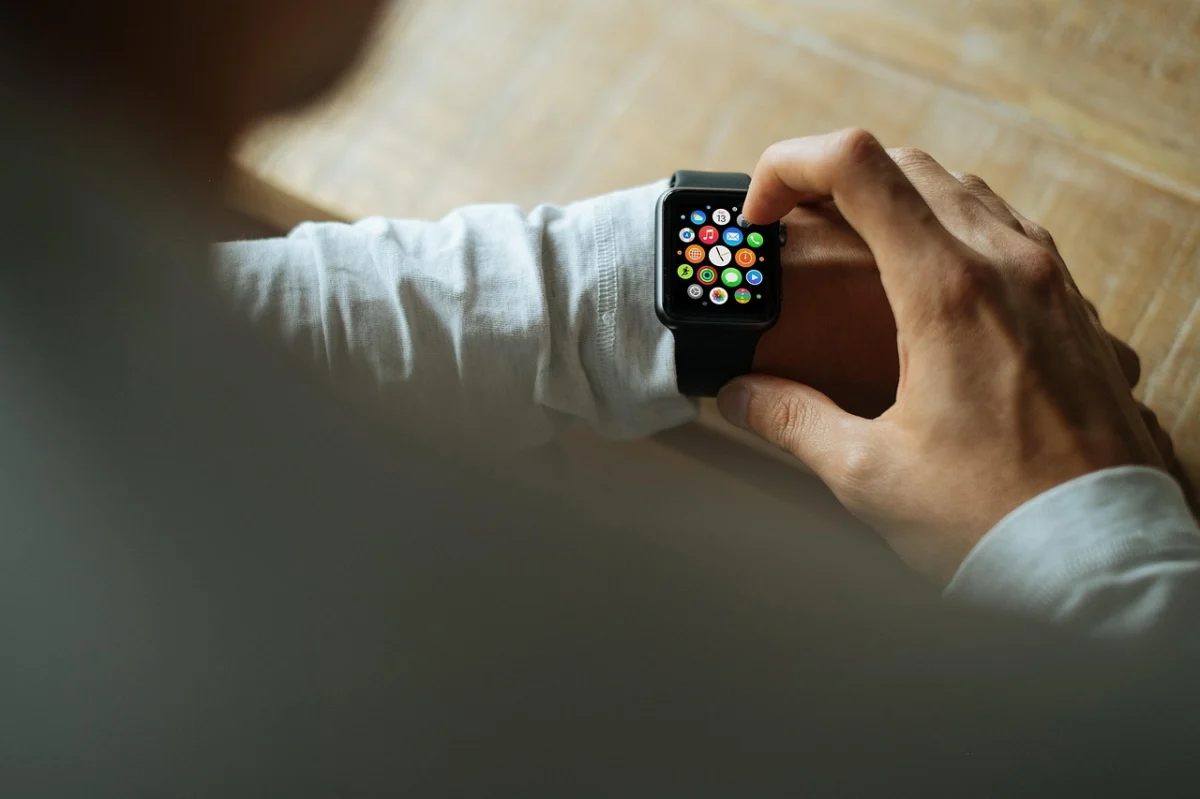
Samsung’s health
Discover how Samsung Research America’s innovative self-supervised techniques are revolutionizing health technology and enhancing user wellness.
Samsung Research America has outlined two self-supervised
Frequently Asked Questions
What does “self-supervised” mean in Samsung Research America’s health-related work?
Self-supervised learning lets a model learn from raw data by creating its own training signals from that data (for example, by predicting missing parts or relationships). Instead of relying entirely on labeled examples, the system can build useful representations first, then use smaller amounts of labeled health data to improve performance.
How are the two self-supervised approaches likely different from each other?
Typically, two self-supervised approaches differ in how they form training tasks and what representations they optimize for. One approach may focus on learning general features from large unlabeled datasets, while the other may emphasize domain-specific structure relevant to health signals or images. The goal is usually to maximize accuracy with minimal manual labeling.
Do self-supervised models reduce the need for expensive medical labeling?
Yes—at least partially. In health contexts, expert annotations can be costly and slow. Self-supervised pretraining can learn from unlabeled records first, then fine-tune using fewer labeled cases. That often lowers the annotation burden while maintaining strong results, assuming the downstream tasks and data distribution are aligned.
What kinds of health data could these methods apply to?
These techniques can be applied to various health-related data types, such as medical imaging (e.g., scans), physiological time-series from wearables, or clinical records. The common factor is that large volumes may be available without labels, making self-supervised learning attractive for extracting meaningful patterns before supervised fine-tuning.
How should readers think about privacy and data governance in this kind of research?
Because the learning often benefits from large datasets, privacy and governance become critical. Researchers typically rely on secure data handling, de-identification, and controlled access. Even with self-supervised training, you still need safeguards against re-identification risks and to ensure patient data is used ethically and in compliance with regulations.