
AI Inference Network Design for GPU Servers: RDMA, Segmentation, and Zero-Trust at the Host Layer
Discover how to optimize AI inference on GPU servers by addressing network bottlenecks and implementing effective segmentation and security measures.


 Menu
Menu


Discover how to optimize AI inference on GPU servers by addressing network bottlenecks and implementing effective segmentation and security measures.
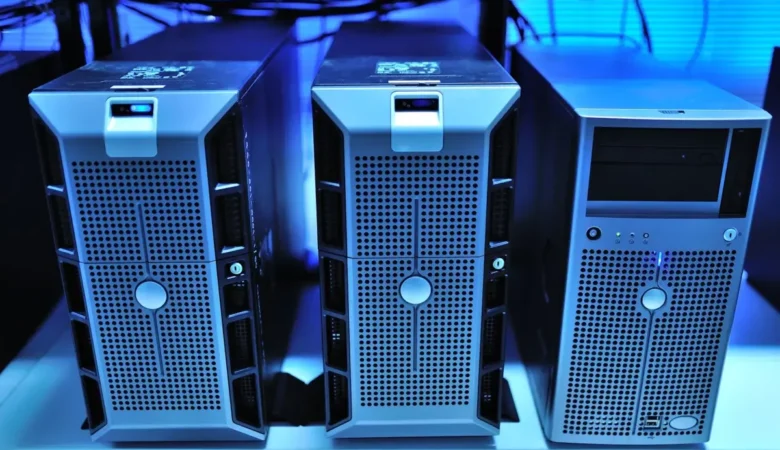
Discover how to achieve consistent p99 performance in GPU inference by optimizing your network path for lower latency and reliable service delivery.
Most infrastructure problems are not caused by a lack of options. They are caused by placing the wrong workload in the wrong environment and then trying to fix the mismatch with more spending, more automation, or more vendor services. Executive Summary: A workload placement matrix is a practical decision framework for choosing where each application, […]

Anycast DNS is one of the most underappreciated choices in modern hosting architecture. When it is designed well, users never notice it; they simply experience faster domain lookups, smoother failover, and fewer outages. When it is designed poorly, the symptoms appear everywhere: slow site starts, regional failures, confusing incident response, and amplified DDoS impact. Quick […]
Executive summary: The right hosting choice is rarely about raw specifications. It is about workload gravity, the way compute, storage, network path, compliance, and operational control pull a system toward VPS, dedicated servers, GPU servers, or colocation. When you evaluate infrastructure through that lens, you avoid overspending on horsepower you do not need and reduce […]

Most hosting decisions fail for one reason: teams buy infrastructure by label, not by workload behavior. A fast-growing ecommerce site, an AI inference API, and a compliance-heavy ERP platform may all need more server capacity, but each needs a different blend of CPU cores, memory, storage IOPS, network throughput, isolation, and operational control. Executive answer: […]

Executive summary: Latency budget engineering is the discipline of assigning a time limit to every stage of a digital request, from DNS lookup and TLS negotiation to application logic, database access, and the return trip over the network. In modern hosting, this is the difference between a system that feels instant and one that merely […]

Executive Summary: The fastest way to overspend on infrastructure is to choose hosting from a price sheet instead of from workload behavior. A site that is CPU-light but latency-sensitive does not need the same environment as a database with heavy write I/O, a machine learning inference service, or a compliance-bound application that must retain physical […]

Choosing infrastructure is not about buying the biggest server or the cheapest monthly plan. It is about matching the behavior of a workload to the right delivery model so you can control latency, performance, compliance, and growth without waste. That is the real difference between a VPS that feels fast in development and a platform […]

Executive Summary: Choosing the right AI hosting layer is no longer a simple price comparison between cloud and bare metal. The real decision depends on workload shape, data gravity, network latency, compliance, and operational maturity. Cloud GPUs are excellent for bursty experimentation and rapid scaling. Dedicated GPU servers usually win for steady inference, predictable performance, […]