
The Hidden Cost of Noisy Neighbors: How to Measure and Control VPS Performance Interference
Discover how VPS noisy neighbors disrupt CPU, storage, and network performance, plus ways to diagnose resource contention and reduce its impact.
Hi! I'm Adrian. How can I help you today?


 Menu


Discover how VPS noisy neighbors disrupt CPU, storage, and network performance, plus ways to diagnose resource contention and reduce its impact.

Choosing infrastructure is not about buying the biggest server or the cheapest monthly plan. It is about matching the behavior of a workload to the right delivery model so you can control latency, performance, compliance, and growth without waste. That is the real difference between a VPS that feels fast in development and a platform […]

Choosing infrastructure by price alone often leads to the wrong platform, higher latency, unstable performance, and unexpected operational overhead. The better approach is workload placement: matching each application to the environment that best fits its compute profile, storage pattern, network needs, compliance requirements, and growth path. For modern teams, that decision usually comes down to […]

Executive Summary Selecting AI infrastructure is a placement problem, not just a hardware purchase. The best environment is the one that keeps data close to compute, satisfies latency and compliance requirements, and scales without forcing your team into constant re-architecture. In practice, that means comparing GPU servers, dedicated CPU servers, and colocation through the lens […]
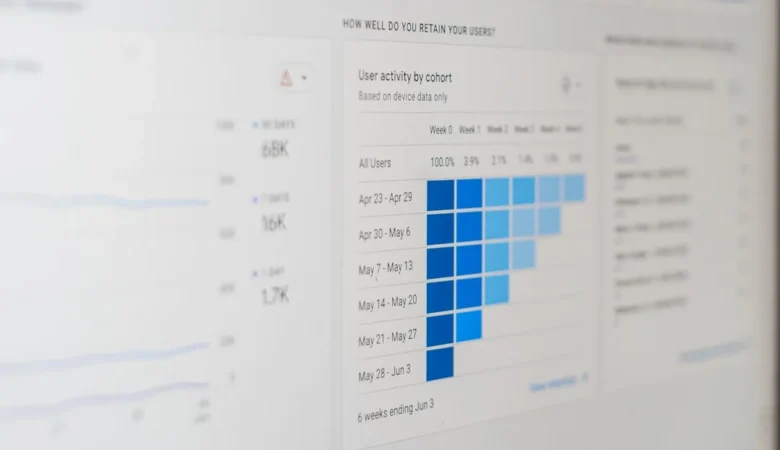
Most infrastructure teams still start with familiar questions: How much CPU do we need? How many gigabytes of RAM? What is the bandwidth ceiling? Those questions matter, but they often miss the factor that shapes real user experience more than raw capacity does: time. In hosting, cloud, VPS, GPU, and enterprise environments, the difference between […]

Executive Summary: Storage architecture is one of the most important design choices in hosting, yet it is often treated as an afterthought. The wrong choice can create latency, increase operating costs, complicate backups, and limit scale. The right choice depends on the workload: NVMe local storage is best for low-latency compute, SAN is best for […]
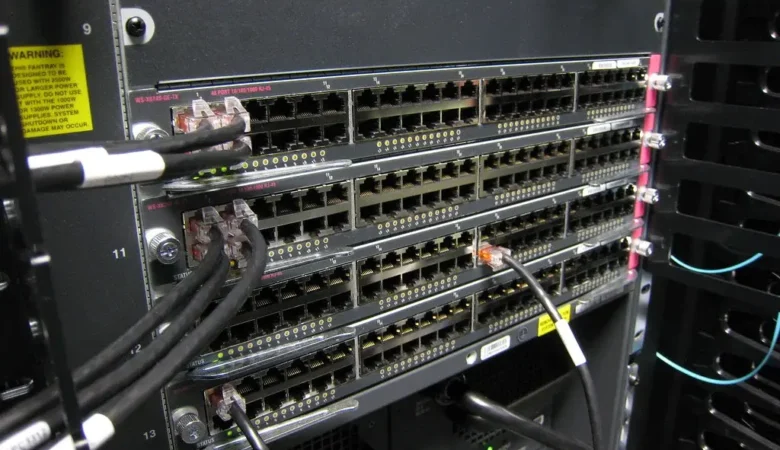
Executive Summary The fastest network is not always the right network. In hosting and infrastructure design, the correct port speed depends on traffic shape, storage architecture, virtualization density, backup behavior, and how much east-west traffic your environment generates. For simple web hosting and light application servers, 10GbE is often sufficient. For modern virtualized platforms, database […]

Executive summary: The best hosting decision is rarely the one with the biggest spec sheet or the lowest monthly price. It is the one that matches how a workload actually behaves: its traffic pattern, compute intensity, storage demand, compliance scope, and growth curve. A VPS is usually the fastest way to launch and iterate. A […]

Choosing a hosting environment by product label alone often leads to performance bottlenecks, unnecessary spend, and avoidable compliance risk. A stronger approach is to match each workload to the infrastructure layer that fits its latency, compute, storage, control, and networking requirements. Executive Summary Answer: The best hosting choice is not the most powerful platform; it […]

Executive summary. The best hosting decision is rarely the one with the biggest specs or the lowest monthly price. It is the one that matches your workload to the right failure domain, control plane, and network design. When you evaluate VPS, dedicated servers, colocation, cloud, and GPU infrastructure through that lens, you can reduce downtime […]