


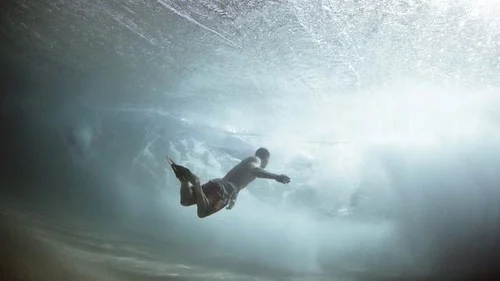
Blue Planet III Keeps Imperfect Footage to Show Nature as It Really Is
Blue Planet III keeps imperfect ocean footage to affirm its authenticity, offering a refreshing glimpse of nature without digital polish.
In a television era increasingly shaped by synthetic imagery and flawless digital edits, the BBC’s Blue Planet III is making a case for leaving nature’s rough edges visible. The upcoming series plans to retain shots that earlier productions might have cleaned up or discarded, using the less-polished details to reinforce that viewers are seeing the real ocean, not an artificially perfected version of it.
That choice matters beyond documentary style. As generative tools make convincing images easier to produce, audiences are paying closer attention to whether spectacular footage feels authentic. For a landmark nature series, visible imperfections can become part of the proof.
A different standard for a landmark series
Blue Planet is the BBC’s deep-ocean natural history franchise, known for bringing rarely seen marine life and underwater environments to a broad audience. Its previous installments helped set a high visual bar: clear, carefully composed images that could make the underwater world appear almost impossibly pristine.
For the third series, executive producer Elizabeth White has described a willingness to preserve material that might once have been rejected. In earlier productions, floating plankton or debris could prompt a crew to cut a shot. A boat or buoy might be excluded from the frame, while poor water conditions could make a scene seem unusable. The new approach is not to abandon craft, but to be more open about the conditions in which wildlife is filmed.
Why imperfections can be a feature
Underwater filming is difficult by nature. Visibility changes with currents, sediment, plankton blooms and weather, while camera teams must work around limited light, moving animals and the practical demands of operating in open water. A pristine image may be beautiful, but it can also hide how unpredictable the environment is—and how much effort it takes to capture a fleeting encounter.
Leaving a little visual clutter in frame can give viewers a more grounded sense of place. Particles drifting through the water, uneven visibility or a distant human-made object can make a scene feel less like a carefully constructed spectacle and more like an observation from a real expedition. That authenticity may be especially valuable when online images can be generated, altered or stripped of context with little warning.
The trade-off between clarity and credibility
The decision has limits. Viewers still need footage that makes animal behavior understandable, and persistent haze or distracting objects can obscure the very details a documentary is meant to reveal. The strongest approach is likely to be selective: preserve imperfections when they help tell the story, while continuing to use skilled framing, lighting and editing to keep the subject legible.
There is also a broader question of trust. A documentary does not become authentic simply by looking rough; audiences benefit when productions are transparent about how footage is captured and edited. But a less airbrushed visual style can help challenge the assumption that every image of wildlife should be crystal-clear, perfectly composed and free of human traces.
What it means for nature television
Blue Planet III is not competing with smartphone cameras or consumer electronics in the conventional sense, but it is arriving in a media landscape shaped by powerful image-processing tools and increasingly realistic synthetic visuals. Its choice highlights a tension shared across photography and video: the same technologies that improve low-light shots, remove distractions and sharpen details can also make it harder to judge what an image represents.
For viewers, the series could offer a useful reminder that real environments are messy—and that natural history does not need to look digitally immaculate to be compelling. For other documentary makers, it may encourage a more thoughtful balance between visual polish and evidence of the world as it was actually filmed.
A more credible kind of spectacle
Keeping imperfections in the frame will not, on its own, settle debates about trust in visual media. Still, it is a meaningful editorial choice for a high-profile wildlife series. The approach could help Blue Planet III retain its sense of wonder while showing that the ocean is not a studio set: it is a changing, sometimes murky environment, captured under real-world conditions.
That may make the footage less immaculate, but potentially more persuasive. In an age when polish is easy to imitate, honest-looking images may be one of documentary television’s most valuable assets.
Frequently Asked Questions
What kinds of imperfections might Blue Planet III leave in its footage?
The series may retain details such as drifting plankton, debris, uneven visibility, or distant boats and buoys. Earlier productions might have removed these or rejected the shot, but they can help show the real conditions crews faced underwater.
Does keeping imperfect footage mean Blue Planet III will stop polishing its images?
No. The approach is selective rather than a rejection of craft. Filmmakers still need to frame, light, and edit scenes so that viewers can understand animal behavior; imperfections are worth preserving when they add context without obscuring the subject.
How can visible imperfections make wildlife footage seem more authentic?
Particles, haze, and human-made objects can reveal that a scene was filmed in a particular place under real conditions, rather than presented as a flawless spectacle. That context may help viewers assess footage in an era when synthetic and heavily edited images are increasingly convincing.
Does rough-looking footage prove that a documentary image is genuine?
Not by itself. A less polished appearance can suggest real-world filming conditions, but it cannot establish how footage was captured or edited. The article argues that transparency about production remains important, alongside a more natural visual style.
Why not remove every distracting object or particle from an underwater shot?
Removing distractions can make an image clearer, but it can also hide the conditions of the environment and make footage seem unrealistically pristine. The challenge is to preserve details that ground the scene while ensuring they do not prevent viewers from seeing the wildlife.

