


The New Gadget Race Is About Ecosystems, Not Just Specs
Lead
The loudest conversation in consumer tech right now is not about one breakout gadget. It is about a whole wave of devices, from foldable phones and smartwatches to handheld gaming systems and smarter earbuds, all trying to do the same thing: make everyday tech feel faster, lighter, and more connected. That shift is showing up in launch events, review chatter, and social media clips where a slick hinge, a brighter display, or a better battery life claim can spark instant debate.
What makes this moment so compelling is that consumers are no longer judging gadgets in isolation. A phone now has to work seamlessly with a watch, earbuds, a laptop, a smart home hub, and sometimes a portable gaming device or creator camera. The winning products are not always the ones with the biggest specs on paper. They are the ones that fit into real life without friction, and that is changing how brands compete.
What Makes It Interesting
Foldables remain one of the most talked-about categories because they still feel futuristic while becoming more practical. Thinner bodies, stronger hinge systems, tougher cover glass, and larger outer displays are making these devices easier to use as everyday phones rather than novelty showpieces. That matters because the conversation around foldables has shifted from can they survive? to are they finally worth the premium?
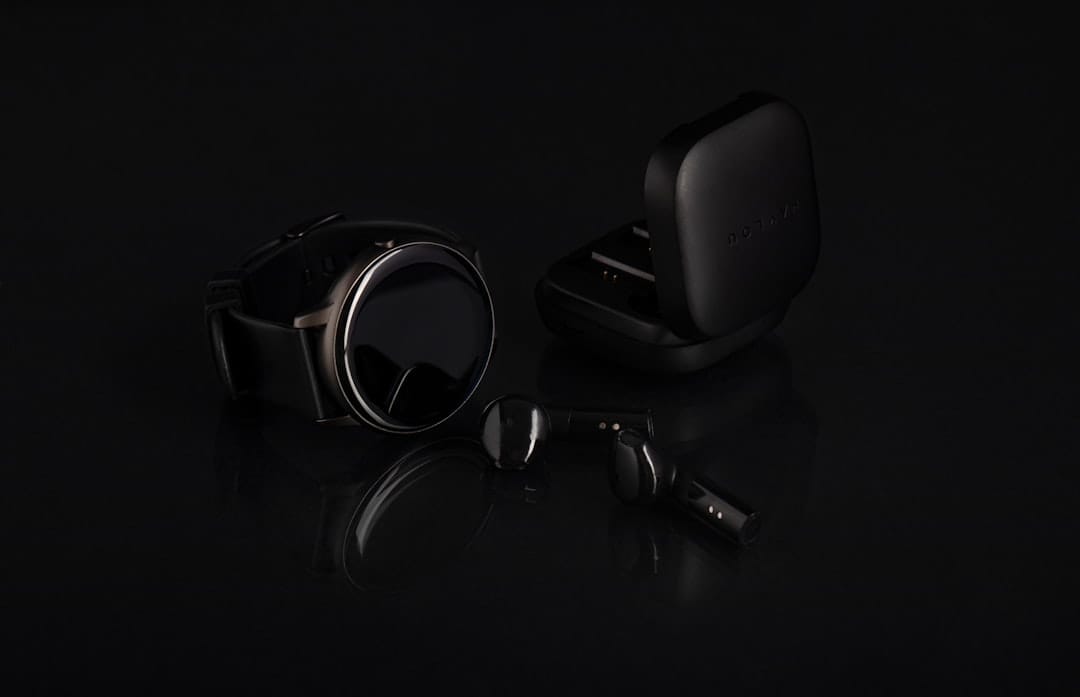
At the same time, wearables are becoming far more useful than simple step counters. Smartwatches now lean into health tracking, crash detection, sleep insights, and tighter phone integration, while premium earbuds are adding adaptive noise cancellation, multipoint pairing, and spatial audio features that make them feel more like personal audio assistants than accessories. On social platforms, short demo videos showing a watch unlocking a laptop, earbuds switching devices instantly, or a foldable snapping shut with a satisfying click are helping turn practical upgrades into viral moments.
Main Developments
Across the market, the biggest product launches are converging around convenience. Smartphone makers are pushing camera systems with bigger sensors, faster focus, and better low-light performance, while software teams are refining on-device editing, live translation, and better continuity across tablets and laptops. In parallel, gaming hardware brands are racing to improve portable devices with brighter OLED panels, more efficient cooling, and controls that feel closer to a console than a compromised handheld.
Pricing is also becoming part of the story. Premium devices are still expensive, but competition is creating more pressure than before. That is leading to stronger midrange options, especially in Android phones and wireless audio. Consumers are seeing more features that used to live in flagship products, including high refresh-rate screens, premium materials, fast charging, and smarter voice controls, move downmarket faster than expected.
Availability remains uneven, and that keeps the conversation lively. Some launches roll out first in North America, parts of Europe, or Asia-Pacific, creating waves of import chatter and first-impression videos before wider release. The result is a market where anticipation matters almost as much as shipping dates, and where leaks, certification filings, and retailer listings can build momentum long before a device lands on shelves.
Innovation & Technology Angle
The technology underneath this gadget wave is more interesting than any single headline. New chipsets are improving efficiency as much as speed, which is crucial for thin phones, always-on wearables, and handheld gaming devices that need real battery life, not just benchmark bragging rights. Manufacturers are also experimenting with better thermal management, more advanced display stacks, and battery chemistry improvements that let devices stay slim without feeling underpowered.
Cross-device experiences are becoming a genuine selling point. A user can start a task on a phone, finish it on a laptop, answer calls from a watch, and stream music through earbuds without thinking about the handoff. Smart home products are following the same pattern, especially as interoperability standards make setup less painful and make mixed-brand ecosystems feel less fragmented. Even repairability and sustainability are starting to matter more, with buyers paying closer attention to battery longevity, component replacement, and whether a product is built to last beyond a single upgrade cycle.
Why Consumers Should Watch It
For consumers, this is the moment to look beyond isolated specs and ask what a device actually changes. A better foldable can replace both a phone and a small tablet. A stronger smartwatch can cut down on how often you reach for your phone. A great pair of wireless earbuds can become the center of your commute, workout, and workday. For gamers, portable consoles and gaming laptops are making it easier to play anywhere without giving up performance. For creators, compact cameras, wireless mics, streaming accessories, and faster mobile editing tools are trimming the gap between capture and publish.
The next 6 to 18 months should bring even more pressure on brands to make devices thinner, smarter, and more interoperable without pushing prices even higher. Expect more foldables in more price tiers, better battery optimization across wearables and phones, tighter software integration between mobile and desktop, and new experiments in AR, portable gaming, and creator hardware. The companies that win will not just launch flashy gadgets. They will make the entire tech stack feel like one smooth experience, and that is exactly what users are starting to demand.