


The New Consumer Tech Race Is Getting Smarter, Thinner, and More Personal
The most interesting gadget story right now is not a single blockbuster launch, but a bigger shift across the consumer tech market: every major device category is getting more personal, more portable, and more tightly connected. Smartphones are pushing deeper into foldable designs and on-device intelligence. Smartwatches are becoming more useful beyond fitness tracking. Portable gaming devices are getting closer to console-grade experiences. And smart home products are finally starting to feel like parts of one ecosystem instead of separate products fighting for attention.
That combination is why tech conversations are so loud at the moment. Consumers are no longer asking only whether a product is faster or prettier. They want fewer cables, fewer app headaches, longer battery life, and hardware that actually fits into a busy day. In other words, the best gadgets are now judged on how little friction they create.
What Makes It Interesting
The excitement comes from how many categories are converging at once. A new phone is expected to be a camera, a wallet, a gaming device, a health tracker companion, and a control center for the rest of the home. A smartwatch has to deliver meaningful health insights while still lasting long enough to survive a full day of notifications and workouts. Wireless earbuds are no longer just about sound quality; they are becoming translation tools, call assistants, and adaptive audio devices.
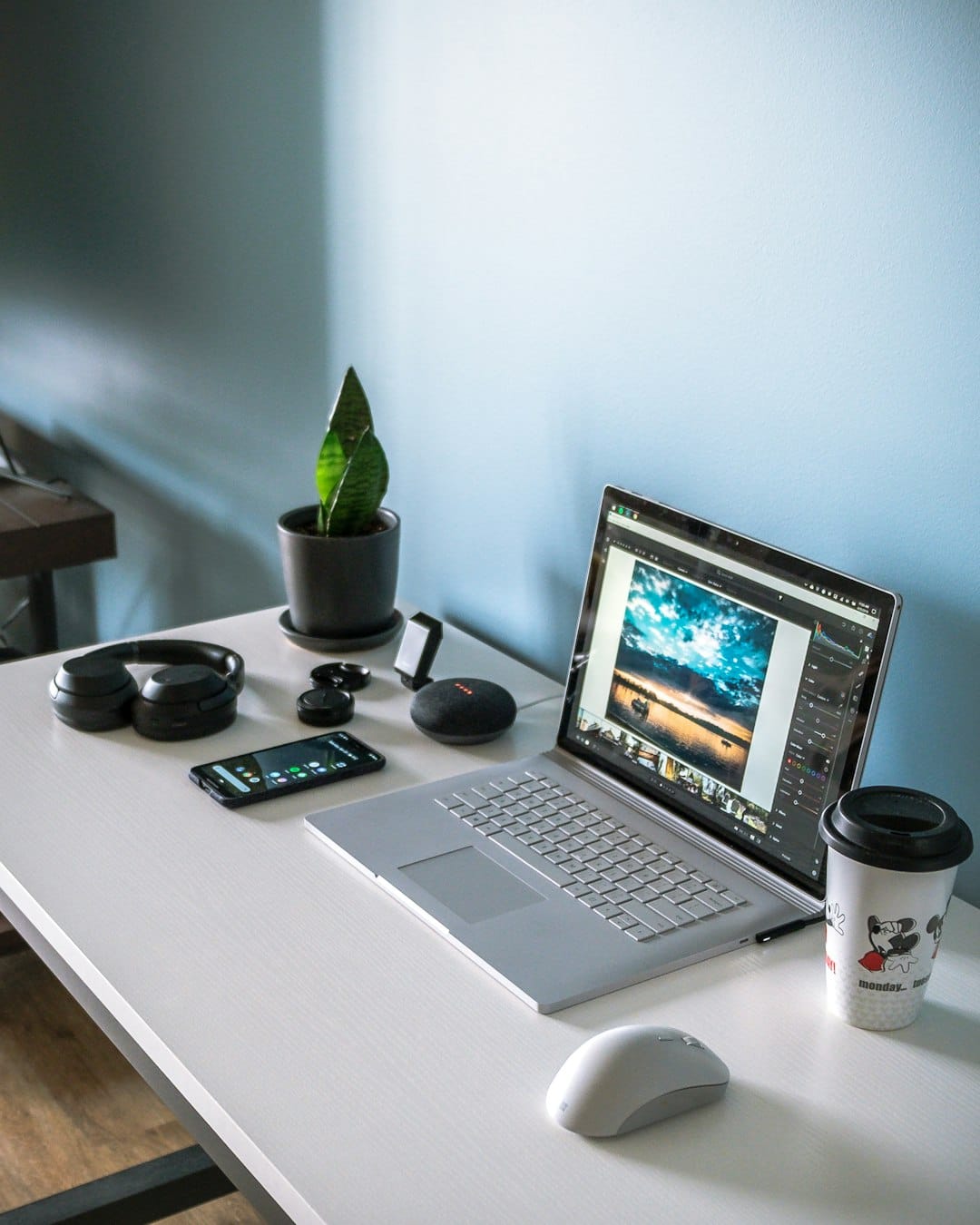
That shift has also made design matter again. Thinner foldables, lighter laptops, sleeker earbuds, and smaller smart home hubs are all trending because consumers want premium features without bulky hardware. Social media has amplified that demand. Viral clips of foldables snapping shut, handheld gaming systems running ambitious titles, and compact creator setups turning a backpack into a studio have turned hardware launches into lifestyle moments.
Main Developments
Across the market, the strongest product launches are leaning into practical upgrades rather than flashy gimmicks. Smartphone brands are emphasizing brighter displays, stronger hinges for foldables, faster charging, and smarter camera systems that improve low-light shots and portrait detail. Laptop makers are pushing battery life, better thermal management, and more efficient chips so thin machines can handle demanding work without sounding like jet engines.
Gaming hardware is also having a moment. Portable gaming PCs and handheld consoles are drawing attention because they let players move between couch, commute, and desk without giving up access to modern games. Meanwhile, cloud gaming continues to put pressure on the old idea that every great gaming session has to happen on a giant box under a TV. That matters for both price and flexibility.
Smart home brands are trying to simplify the mess. Voice assistants, cameras, locks, lights, and speakers are slowly becoming more interoperable, especially as more devices support common standards and faster setup flows. The goal is clear: make the connected home feel less like a hobby and more like a service that quietly works.
Innovation & Technology Angle
Under the hood, the biggest story is efficiency. Chipmakers are focusing on performance per watt, which helps phones stay cooler, laptops run longer, and handheld gaming devices stretch battery life. That is especially important now that consumers expect premium experiences from smaller hardware. Battery tech is improving too, with faster charging and better power management becoming central selling points instead of afterthoughts.
Display innovation is another major driver. Flexible OLED panels, brighter outdoor-friendly screens, and faster refresh rates continue to shape the premium market. In wearables, always-on displays and better sensor accuracy are pushing watches from accessory status toward essential daily tools. In audio, active noise cancellation is improving, but so are transparency modes and spatial audio features that make earbuds feel more useful in real-world environments.
AI features are appearing everywhere, but the most compelling versions are the ones that work quietly in the background. Phones can sort photos, summarize notifications, and improve call handling. Laptops can help with transcription and smart search. Smart home devices can learn routines and reduce setup friction. The best implementations do not feel like demos; they feel like time saved.
Why Consumers Should Watch It
For consumers, this wave of products is about choosing devices that reduce daily stress. Smartphone buyers should watch for foldable durability, camera consistency, and software support promises. Gamers should pay attention to portable hardware that balances performance with battery endurance. Creators should look at laptops, microphones, lights, and compact cameras that make mobile production easier.
Wearable users have the most to gain from better health tracking, improved sleep insights, and tighter phone integration. Smart home shoppers should focus on compatibility, setup speed, and whether a device will still make sense a year from now when the ecosystem shifts again. Even casual users can benefit from the broader trend: the newest products are getting better at disappearing into the background while doing more work than ever.
There is also a growing sustainability angle. Repairability, software support, recycled materials, and longer upgrade cycles are becoming more visible in product messaging. That matters because buyers are beginning to value devices that stay useful longer instead of becoming obsolete after one fast product cycle.
The Next Wave
Over the next 6 to 18 months, watch for even tighter competition between flagship phones, thinner foldables, better gaming handhelds, and more capable wearables. Expect more mixed reality experiments, smarter audio gear, and stronger cross-device ecosystems as brands try to keep users inside their own hardware loops. The pressure will come from both premium launches and more affordable challengers, especially startups building niche devices for creators, travelers, and gamers. The winners will be the products that feel exciting on day one and genuinely indispensable by day thirty.

