


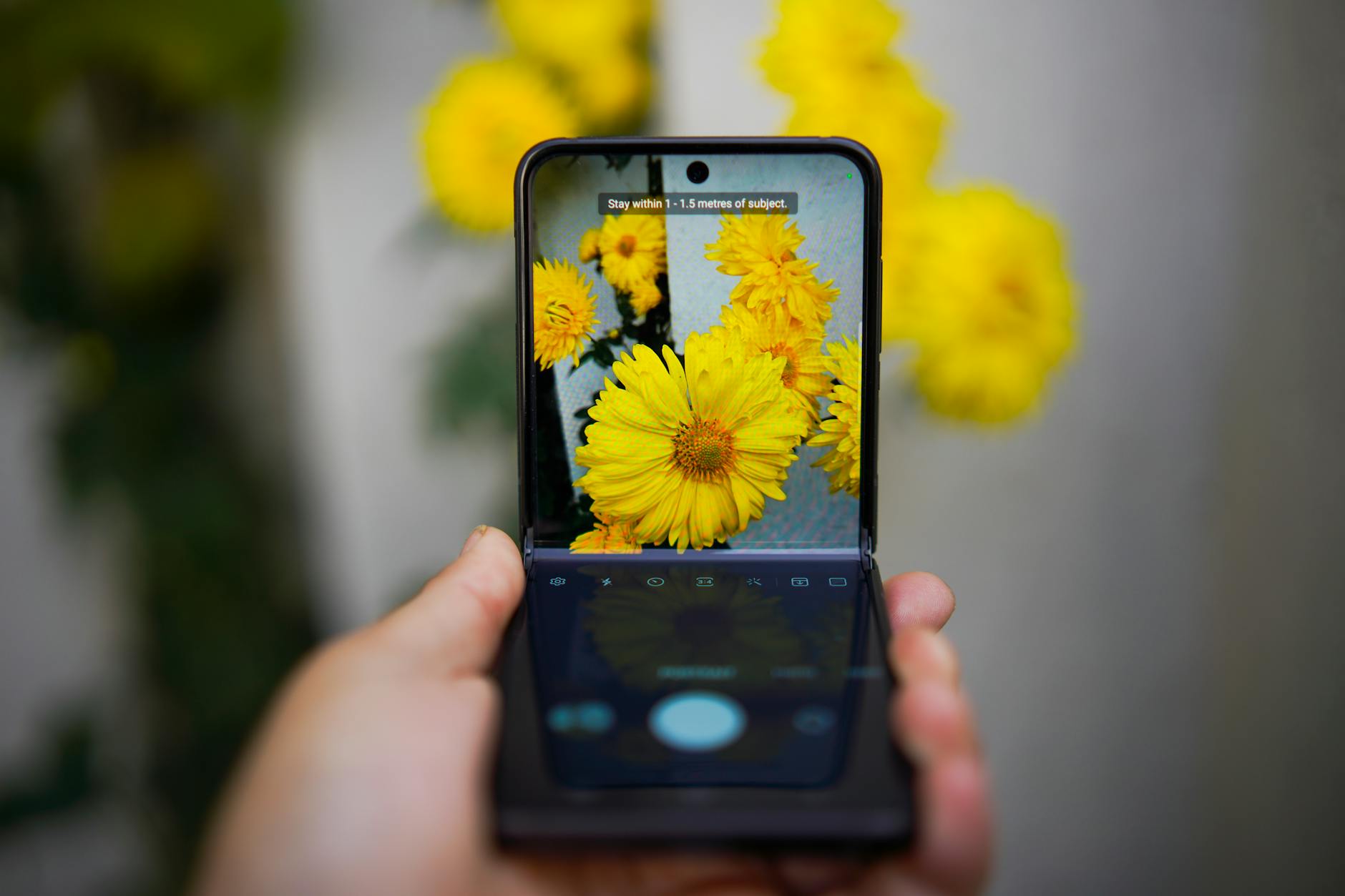
Consumer Tech’s New Sweet Spot Is Smaller, Smarter, and Harder to Ignore
The consumer tech market is in one of its most interesting phases in years. Across recent launches and product leaks from major brands, the loudest buzz is not coming from the biggest phones or the most powerful gaming rigs alone. Instead, attention is spreading across thinner foldables, smarter wearables, more capable portable gaming devices, sharper wireless audio, and a new wave of gadgets that promise to make everyday life feel more connected and less fragmented. That shift matters because it signals a market that is finally prioritizing usefulness, not just novelty.
What Makes It Interesting
The reason these products are catching fire is simple: consumers are becoming more selective. A phone can no longer win by being slightly faster than last year’s model, and a smartwatch needs more than step counting to feel essential. People want devices that fit into routines without friction, whether that means a foldable phone that is easier to pocket, earbuds that intelligently adapt to noisy commutes, or a handheld gaming device that feels close to console quality without demanding a TV.
That is also why these gadgets are thriving on social media. Short-form videos love dramatic reveals, so foldable hinges, magnetic accessories, smart glasses demos, and handheld gaming benchmarks are perfect for viral clips. Reviewers are leaning into real-world tests, too, comparing battery life, camera consistency, and day-to-day comfort rather than just headline specs. The result is a more mature conversation around technology, where design and usability are finally getting equal attention.
Main Developments
Smartphones remain the center of gravity, but the story has moved beyond raw performance. Flagship Android phones continue to push brighter OLED displays, faster refresh rates, and more aggressive AI-assisted photography, while premium foldables are getting thinner, lighter, and less fragile than the first generations. At the same time, value-focused brands are making a serious case for affordability, forcing bigger companies to justify premium pricing with better cameras, cleaner software, and longer support cycles.
Wearables are also leveling up fast. Smartwatches are shifting from notification mirrors into true health and lifestyle hubs, with more advanced sleep tracking, better workout detection, and tighter integration with mobile ecosystems. Smart rings and other minimalist wearables are pulling in consumers who want more data without another screen on the wrist. In audio, wireless earbuds are getting stronger adaptive noise cancellation, more natural transparency modes, and better spatial audio performance, which has made them one of the most competitive product categories in consumer electronics.
Portable gaming hardware is another hot zone. Devices from companies like ASUS, Lenovo, Valve, and MSI have made handheld gaming a genuine category rather than a niche experiment, and the conversation has shifted from whether these devices can work to which one offers the best balance of battery life, thermals, display quality, and game compatibility. Meanwhile, smart home ecosystems are moving toward smoother setup, broader interoperability through standards like Matter, and more reliable voice and app control, which is slowly reducing the pain of mixing brands in one home.
Innovation & Technology Angle
Under the hood, a lot of this momentum is being powered by better efficiency rather than brute force. Newer smartphone chipsets are squeezing more performance from less energy, which helps with battery life, camera processing, and gaming. On the display side, flexible OLED panels are enabling foldables that feel more practical, while brighter panels and slimmer bezels are making every category look more refined. Some Android makers are also leaning into silicon-carbon battery designs and faster charging systems, helping devices stay slim without sacrificing all-day endurance.
The software story is just as important. Phones, tablets, laptops, watches, and earbuds are being designed to work together more naturally, with handoff features, shared notification systems, easier file transfers, and cloud-backed continuity becoming a bigger selling point. Consumer AI is showing up in more grounded ways, too: on-device summaries, smarter photo cleanup, live translation, better voice commands, and more useful search functions. In gaming and creator hardware, that means faster capture tools, lower-latency streaming, and devices that can move easily between work, play, and content creation.
Why Consumers Should Watch It
For consumers, this wave of hardware is less about chasing the flashiest spec sheet and more about buying tools that actually fit daily life. Smartphone buyers should watch for longer software support, better battery chemistry, and more meaningful camera improvements rather than incremental speed bumps. Gamers should pay close attention to handheld consoles and portable PCs, where comfort, thermals, and ecosystem access can matter more than a benchmark score. Creators, meanwhile, are getting stronger options in pocketable cameras, streaming controllers, and mobile-first editing workflows that make it easier to publish from anywhere.
There is also a bigger ecosystem shift happening around the edges. Smart home users want devices that connect reliably, not just loudly in a product demo. Early adopters are watching AR and mixed reality move from experimental to more practical, especially as headsets and glasses become lighter and software gets less intimidating. Even consumers who are not shopping for a premium device right now are feeling the ripple effects, because competition in foldables, wearables, earbuds, and handheld gaming is pushing prices, features, and support policies in new directions. Over the next 6 to 18 months, watch for more aggressive launches in slim foldables, smarter glasses, better battery tech, and more affordable portable gaming hardware, with major brands under pressure to prove that the next gadget in your pocket or on your desk is not just newer, but genuinely better.
Frequently Asked Questions
Why are smaller devices like foldables, smart rings, and handhelds gaining more attention than bigger flagship gadgets?
Because they solve practical problems without adding bulk. Foldables are easier to carry, smart rings provide health tracking without another screen, and handheld gaming devices offer console-like play on the go. Consumers are rewarding devices that fit into daily routines more naturally, rather than simply chasing bigger displays or higher specs.
Are modern foldable phones actually durable enough for everyday use?
They are much closer to mainstream-ready than early models, mainly because hinges, materials, and flexible OLED panels have improved. That said, they still tend to require more care than conventional phones, especially around dust, drops, and crease visibility. For many buyers, the trade-off is now usability rather than outright fragility.
What makes smartwatches and smart rings more useful now than they were a few years ago?
The category has moved beyond basic step counting and notifications. Newer wearables can track sleep more accurately, detect workouts better, and integrate more tightly with phones and health apps. Smart rings are especially appealing to people who want continuous health data in a smaller, less distracting form factor than a smartwatch.
Is portable gaming hardware good enough to replace a console or gaming laptop?
For some players, yes, but not for everyone. Modern handhelds can deliver impressive performance and portability, making them ideal for commuting or casual play. However, battery life, heat, game compatibility, and comfort still vary widely. They are best seen as a flexible middle ground rather than a full replacement for every setup.
Why are smart home products still frustrating if the industry is improving interoperability?
Because mixed-brand setups often depend on how well each product supports shared standards like Matter and how polished the manufacturer’s app and voice integrations are. Compatibility is better than before, but setup consistency, feature gaps, and ecosystem lock-in can still create friction. The improvement is real, just not universal yet.