


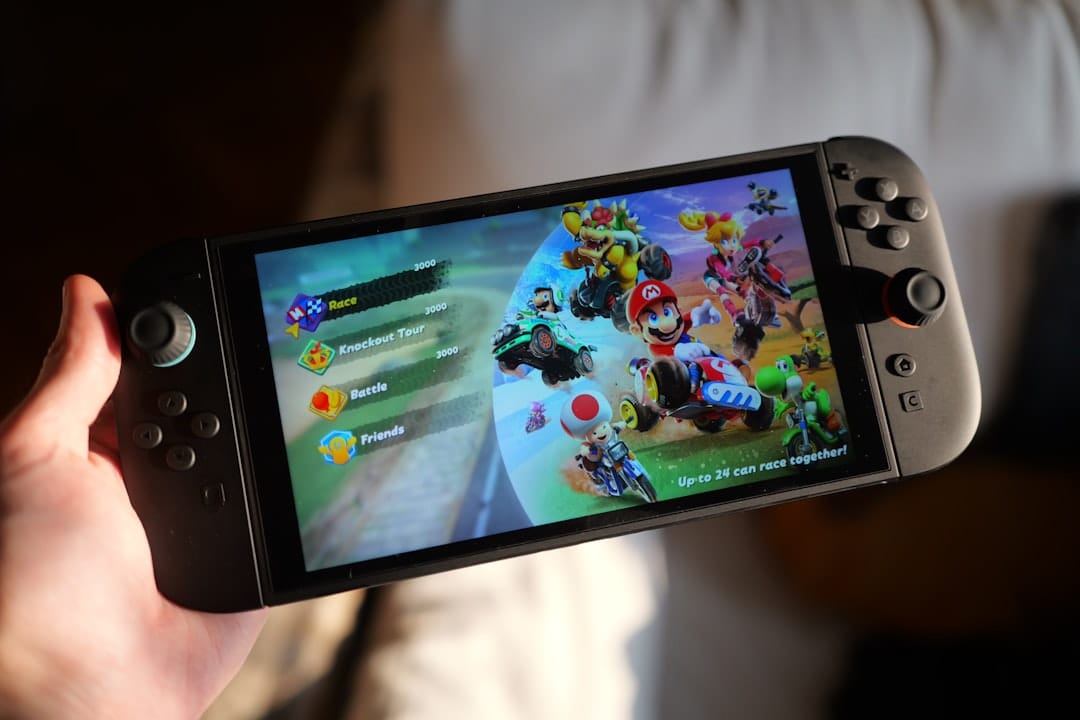
Why Handheld Gaming Is Suddenly the Hottest Gadget Category
Handheld gaming is having a real moment again, and this time it is not being driven by nostalgia alone. Across the consumer tech world, devices like the Steam Deck, ASUS ROG Ally, Lenovo Legion Go, and newer Windows-based portable gaming machines have pushed the category from niche curiosity to one of the most watched gadget battlegrounds of the year. The appeal is simple: console-like power in a device that slips into a backpack. The reason people are talking about it now is more important. Faster chips, better cooling, sharper displays, and more flexible software have made portable gaming feel less like a compromise and more like the new shape of mainstream play.
What Makes It Interesting
The handheld gaming boom is exciting because it sits at the crossroads of several tech trends at once. It is part laptop innovation, part console design, part mobile ecosystem shift. Consumers are seeing devices that can run huge PC libraries, stream games from the cloud, dock to a monitor, and still feel personal enough to use on a couch or during a commute.
That versatility is why these products keep showing up in viral posts, long-form reviews, and side-by-side comparison videos. A handheld no longer has to be judged only by raw performance. Buyers now care about grip comfort, battery life, screen quality, fan noise, quick resume, game launch speed, and whether the software feels polished enough to use every day. In other words, the category is maturing in public.
Main Developments
The biggest shift is that manufacturers are no longer treating handheld gaming as a proof-of-concept. They are building complete product strategies around it. Premium models are leaning into larger batteries, more efficient processors, high-refresh-rate displays, and better thermals. Some are chasing a sleek, console-like feel, while others are going all-in on detachable controllers, oversized screens, and productivity-friendly features.
Software is becoming just as important as hardware. Windows-based handhelds have improved, but they still face a familiar criticism: the desktop operating system was never designed first for a controller-driven mini PC. That has opened the door for cleaner launchers, custom overlays, and growing interest in Linux-based alternatives that promise a more console-style experience. For many buyers, the winning device may not be the one with the highest benchmark score, but the one that gets them into a game fastest.
Pricing is also shaping the conversation. Some models are clearly premium, targeting enthusiasts who want the best screen and the fastest silicon. Others are pushing harder on value, aiming to bring handheld gaming to more casual players who do not want a full gaming laptop. That split is creating real competition, and the market is rewarding the brands that balance power with usability.
Innovation & Technology Angle
The technology story behind this trend is bigger than portable play. Modern handhelds are benefiting from advances in chipset efficiency, low-power display panels, adaptive refresh rates, and smarter power management. That matters because the old tradeoff in gaming hardware was brutal: performance or battery life, but not both. Today, better architecture is narrowing that gap.
Displays are a major battleground. High-resolution panels are impressive, but the real progress comes from how smoothly they respond, how bright they get indoors and outdoors, and how well they handle motion without draining the battery too quickly. Cooling is another hidden hero. Thin devices need compact thermal systems that can move heat without making the machine feel like a tiny jet engine. When these systems work, the experience feels effortless. When they fail, every other feature becomes harder to enjoy.
Cloud gaming and cross-device ecosystems are also reshaping expectations. A handheld is no longer just a local gaming machine. It can be part of a larger library that spans console, PC, and streaming platforms. That gives users flexibility, especially for big games that are easier to start at home and continue on the move. This is where the category starts to overlap with smart mobile software, creator workflows, and even living-room entertainment.
Sustainability and repairability are quietly entering the conversation too. Buyers are paying more attention to replaceable parts, battery health, and how long a premium gadget stays useful. That pressure could influence the next generation of handhelds as much as any benchmark score.
Why Consumers Should Watch It
For gamers, the payoff is obvious: more ways to play demanding titles without being tied to a desk. For casual users, the category offers a bridge between mobile convenience and real gaming depth. For creators and streamers, handhelds are becoming a flexible second device for testing, capture, and travel.
Tech enthusiasts should also watch how quickly this category influences the wider device market. The lessons from handheld gaming are spreading into laptops, tablets, and even smart home entertainment products. Companies are learning that consumers want compact hardware, instant software, and fewer setup headaches. That same expectation is now shaping everything from launcher design to controller pairing to docked mode performance.
There is also a cultural angle here. Portable gaming devices are highly shareable on social media because they photograph well, feel futuristic, and fit the current obsession with highly personal gadgets. A handheld with a bold design and a crisp display can go viral in a way that a more traditional laptop rarely does. That visibility helps turn niche hardware into mainstream conversation almost overnight.
What Comes Next
Over the next 6 to 18 months, the handheld gaming market is likely to get more competitive, not less. Expect new launches with better battery efficiency, more refined industrial design, and improved software layers that make these devices easier for non-enthusiasts to use. The biggest pressure points will be price, comfort, and ecosystem polish. Buyers will keep comparing raw power, but they will increasingly reward devices that feel effortless.
Watch for tighter integration with cloud gaming services, more experiments with detachable or modular controls, and stronger ties between handhelds and broader PC ecosystems. If current momentum continues, portable gaming could become one of the defining consumer tech categories of the next cycle, right alongside foldables, wearables, and smarter home devices. The race now is not just to make a gaming handheld. It is to make the one people actually want to live with.

